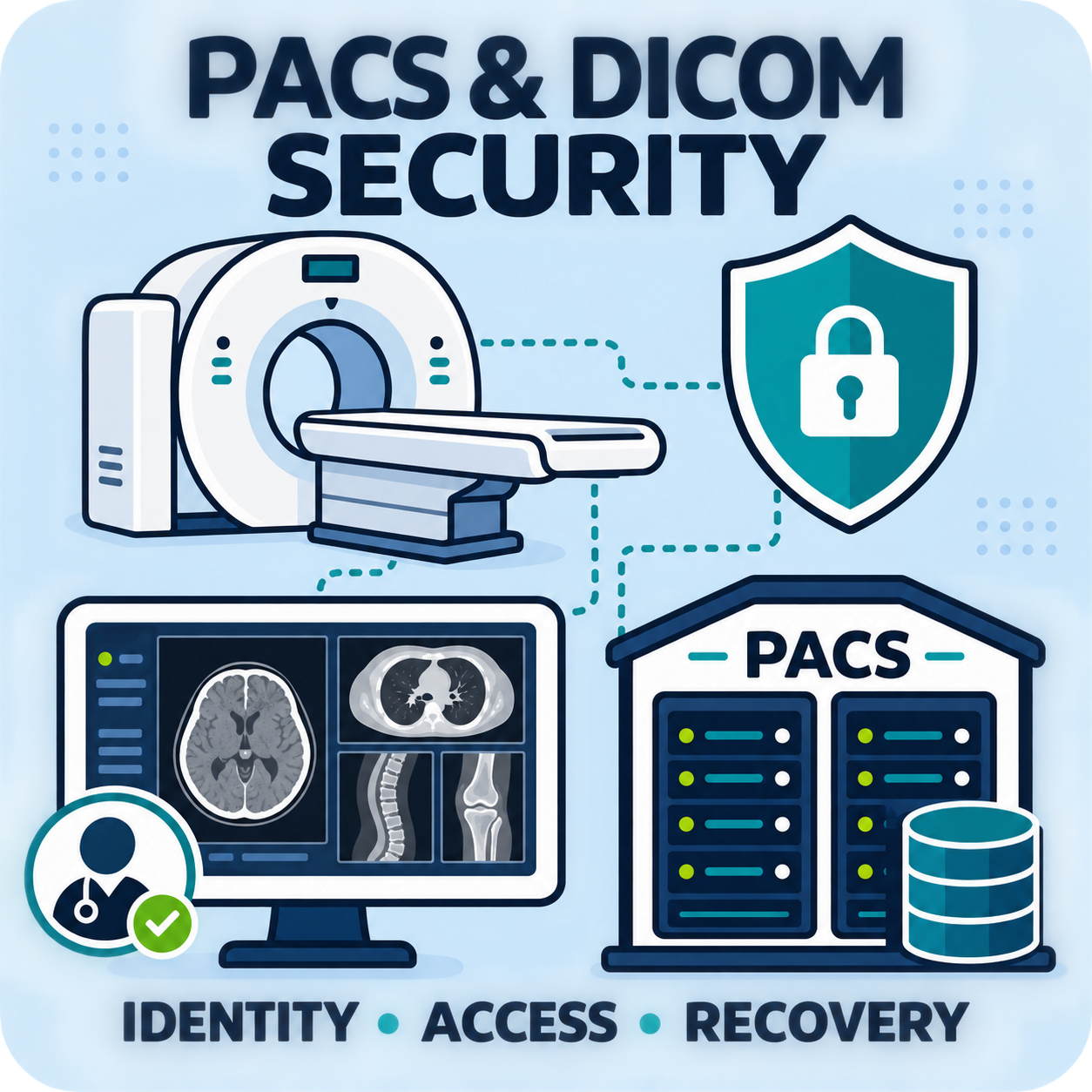
Securing PACS and DICOM Ingestion and Access
A defensive cybersecurity case study examining sender identity, access control and recovery in a synthetic PACS and DICOM environment. Two diagrams and a small transfer experiment trace medical images from scanner to viewer, explaining where trust changes, what successful delivery establishes and which controls help keep the correct examination available to authorized clinicians.
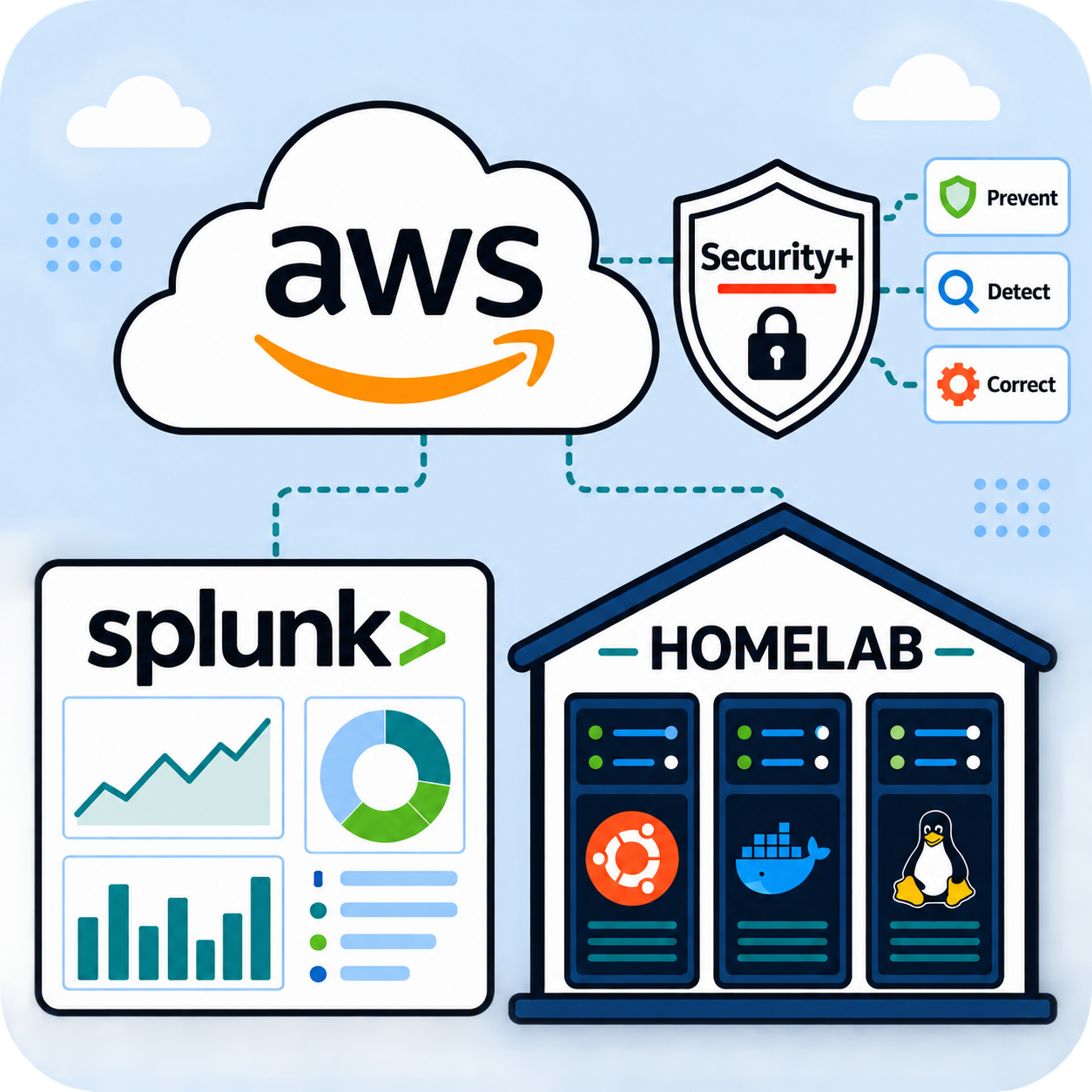
Revisiting Security+ Controls Through an AWS and Splunk Homelab
I earned the CompTIA Security+ certification a few years ago and wanted a practical way to revisit the material without simply rereading definitions. In this post, I review an existing AWS and Splunk homelab through the lens of preventive, detective, and corrective controls, using Security Groups, UFW, VPC Flow Logs, NGINX logs, and Splunk telemetry as concrete examples. The goal is to keep foundational security knowledge current by tying it back to systems I have already built, tested, and can explain.
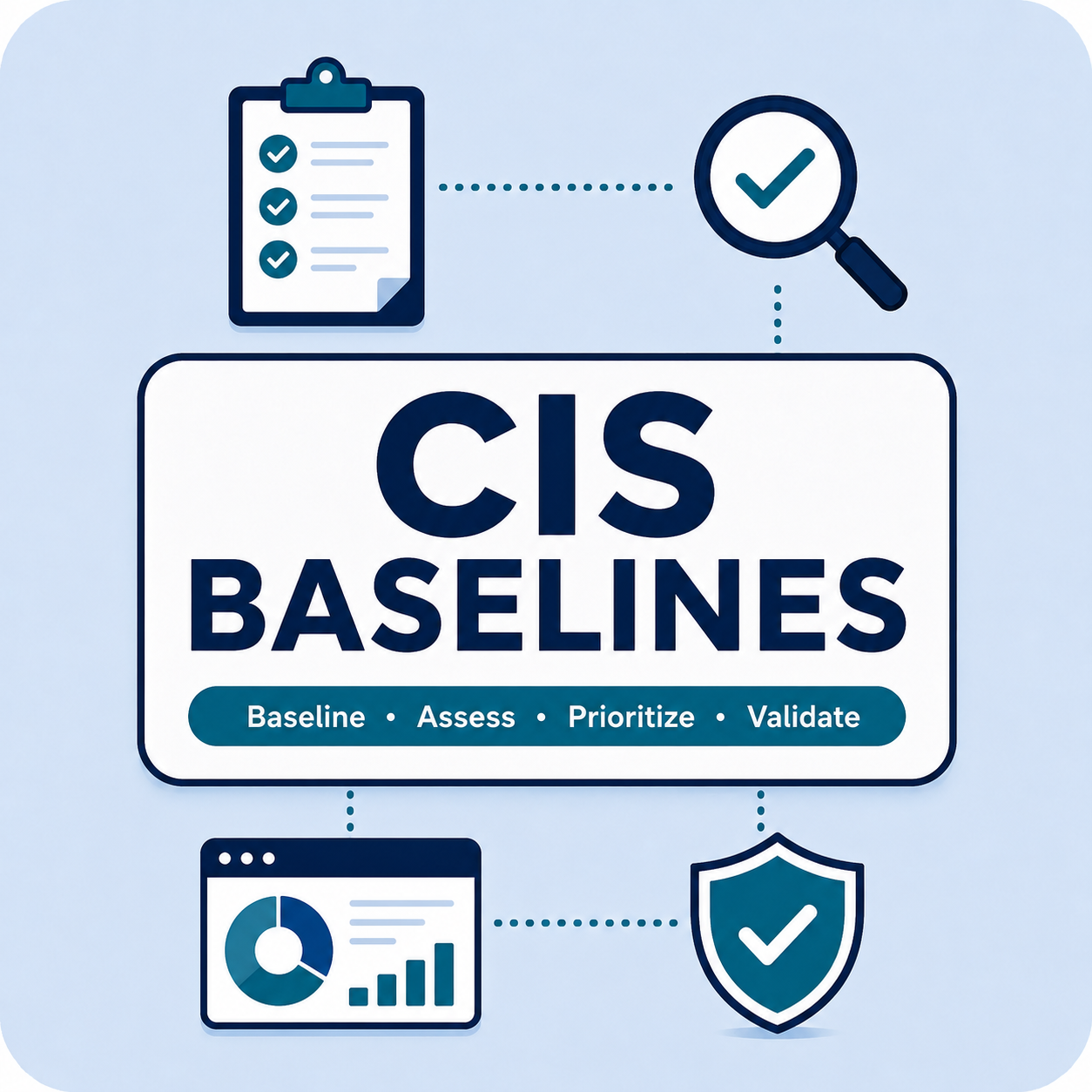
CIS Benchmarks and Vulnerability Management: From Baseline to Validation
I went back through Security+ and CySA+ material on secure configuration and vulnerability management. This post looks at CIS Benchmarks, vulnerability prioritization, and remediation validation as one operational workflow.
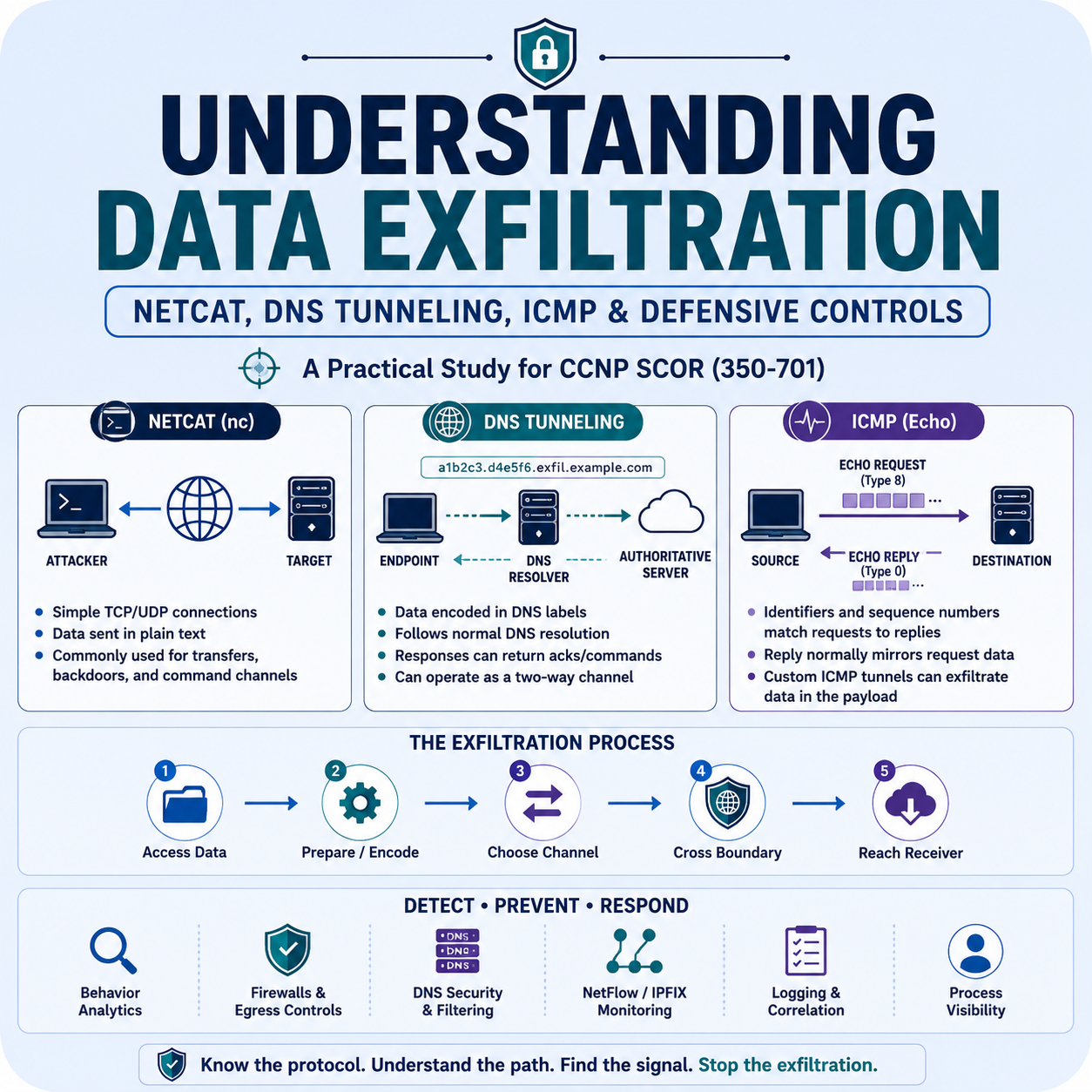
Studying Data Exfiltration for SCOR: Netcat, DNS Tunneling, ICMP, and Defensive Controls
A defensive cybersecurity study project examining how netcat, cryptcat, DNS tunneling, and ICMP can support data exfiltration, along with the protocol behavior, detection signals, and layered controls defenders can use to identify and restrict it.
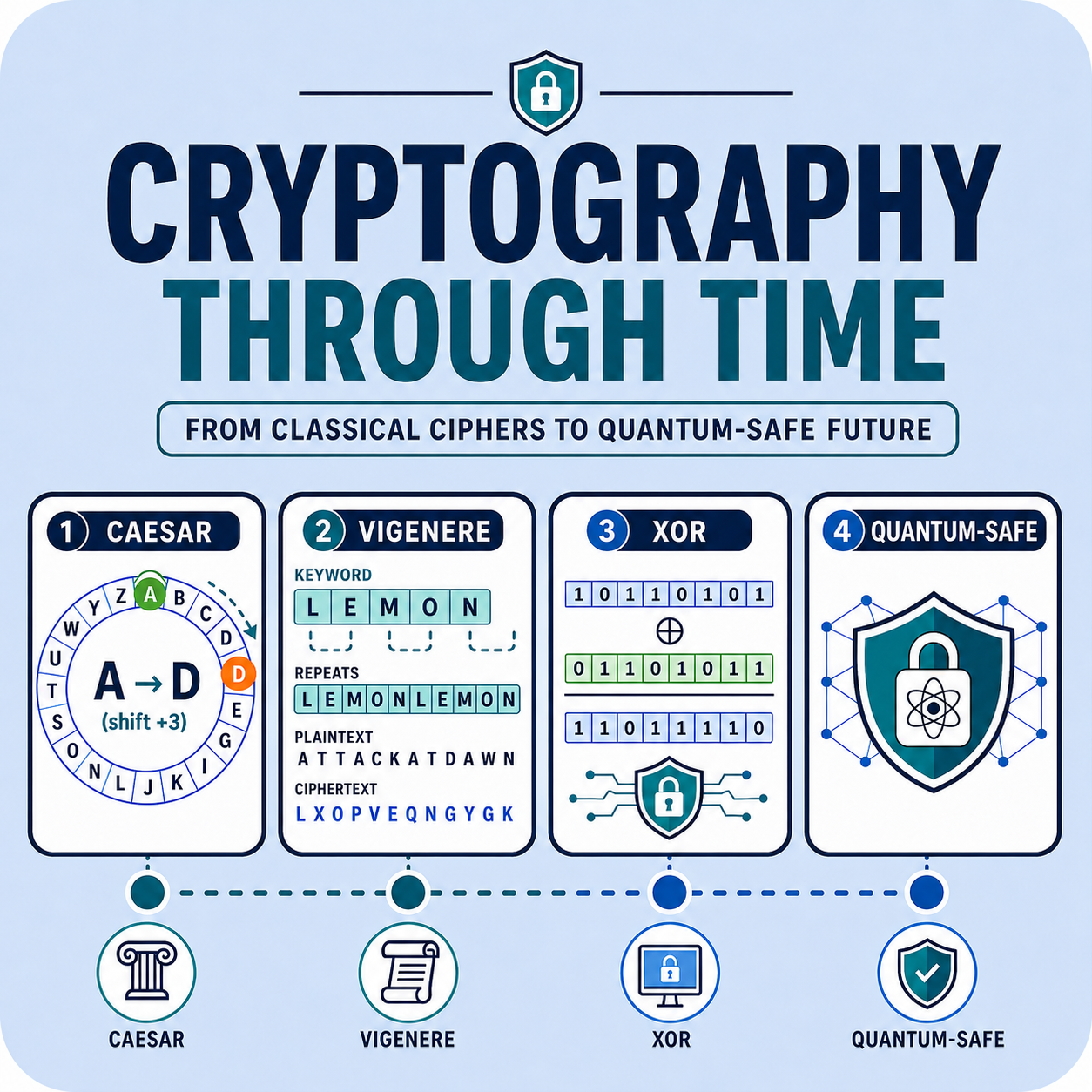
From Caesar Shifts to Quantum-Safe Cryptography: What Ciphers Teach About Cybersecurity
A visual cybersecurity project that traces cipher evolution from Caesar shifts and Vigenere keywords to XOR bit operations, post-quantum cryptography, and quantum key distribution. It compares what each concept teaches about protecting information and explains why cipher design, key handling, and quantum computing matter for long-term cryptographic planning.
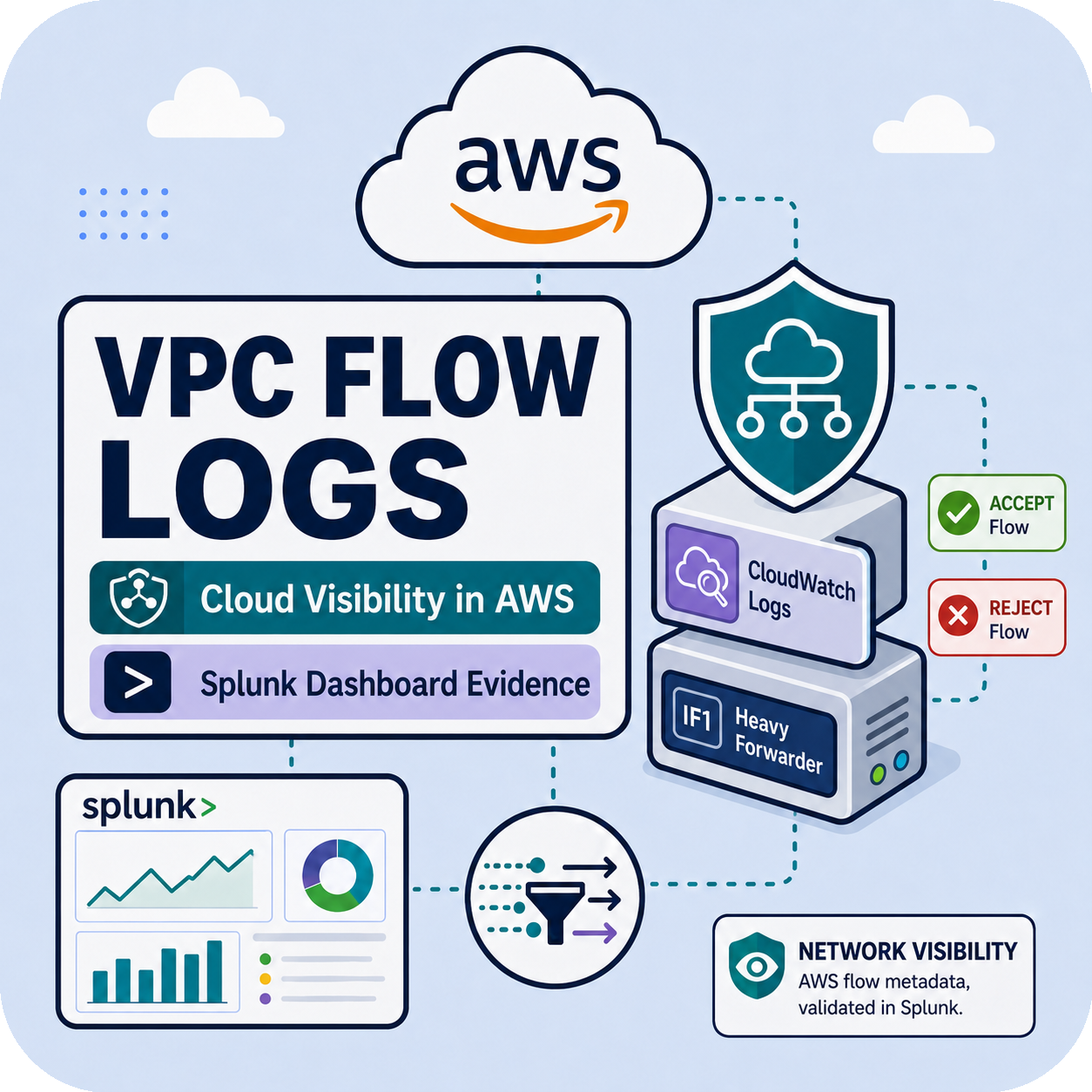
Extending My Splunk AWS Homelab: VPC Flow Logs, Cloud Network Visibility, and Splunk Validation
A hands-on AWS and Splunk homelab project that adds VPC Flow Logs to improve cloud-network visibility, compares AWS flow metadata with Linux host firewall evidence, and builds a dashboard showing accepted traffic, rejected traffic, top ports, and telemetry health.
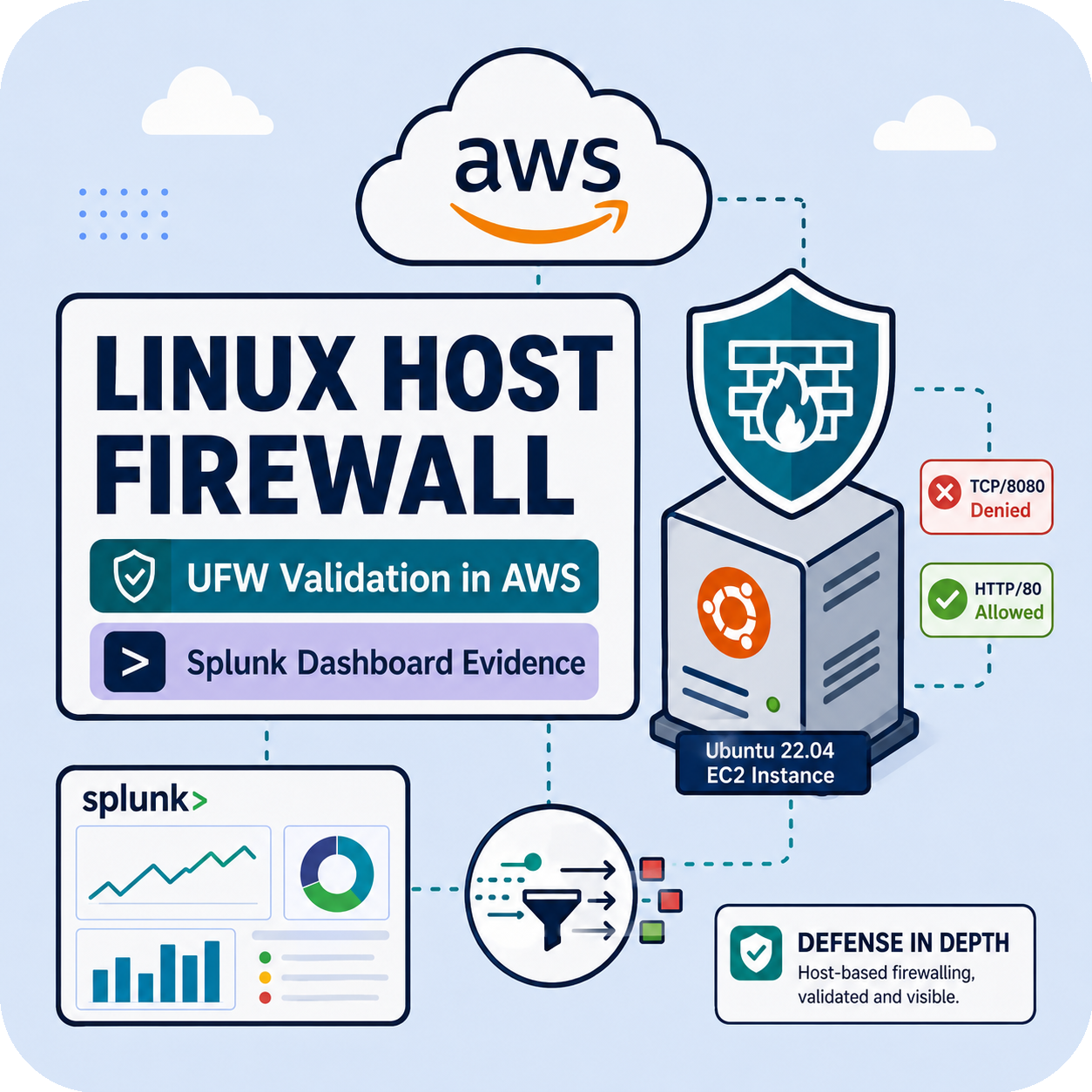
Applying CCNA Fundamentals in AWS: Linux Firewalling, Defense in Depth, and Splunk Validation
A hands-on networking and security case study applying CCNA fundamentals in an AWS Splunk homelab, using Ubuntu UFW firewall rules, AWS Security Groups, Universal Forwarders, Linux telemetry, and dashboards to prove allowed traffic, denied TCP/8080 testing, firewall posture, and defense-in-depth visibility.

From Threat Intel to Splunk Evidence: Validating Dirty Frag in an AWS Homelab
A defensive Splunk case study translating two Dirty Frag Linux kernel CVEs into a safe AWS homelab validation workflow, using Ubuntu telemetry, module-state checks, mitigation evidence, and dashboards to prove before-and-after host state.
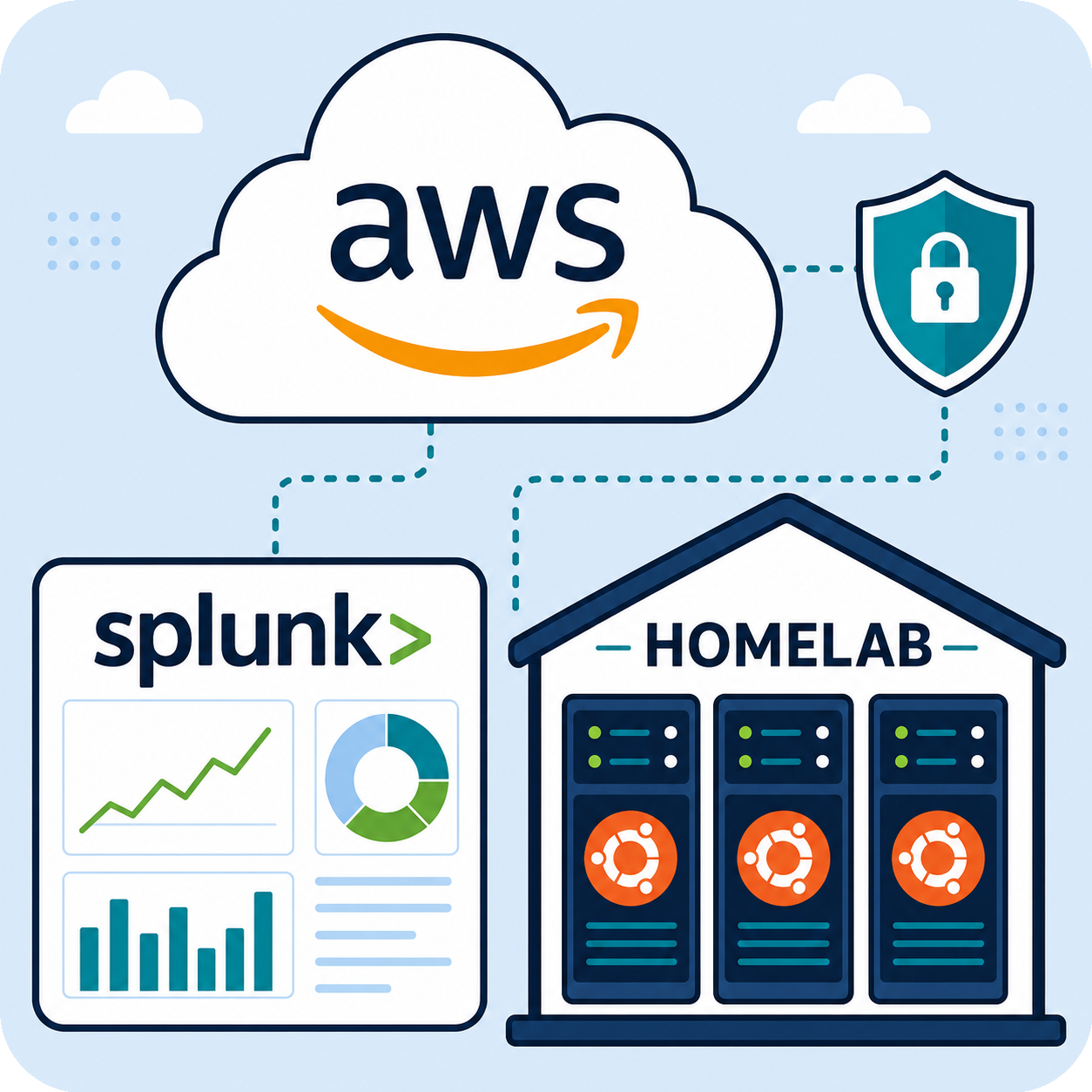
Designing and Validating a Distributed Splunk Enterprise Homelab in AWS
A practical case study in building a distributed Splunk Enterprise environment in AWS, with a focus on Ubuntu host preparation, clustered indexing, secure forwarding paths, and platform validation before onboarding security telemetry.